
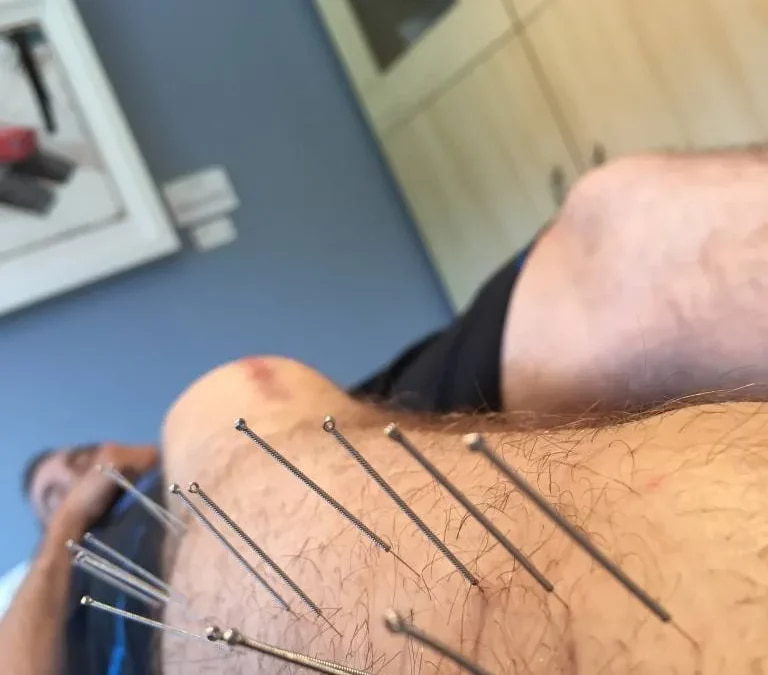
Muscle pain can affect movement, sleep, exercise, and everyday activities. When tight muscles or sensitive trigger points do not settle with simple measures, dry needling may be considered as part of physiotherapy treatment. This technique uses thin needles to target specific muscle areas and may help reduce pain and improve movement.

What Is Dry Needling?
Dry needling is a treatment technique commonly used by trained physiotherapists and other appropriately qualified healthcare professionals to manage certain muscle and musculoskeletal problems. It involves inserting very thin, sterile needles through the skin into specific areas of muscle, often including sensitive points commonly called trigger points.
The word “dry” means that no medicine or liquid is injected through the needle. The technique is different from an injection. Treatment is usually combined with other rehabilitation methods rather than being used as the only approach for muscle pain.
How Does Dry Needling Work for Muscle Pain?
Muscles can sometimes develop tight, sensitive areas that are painful when touched or during movement. These areas may occur following repetitive activity, physical strain, poor movement patterns, or injury.
During dry needling, a trained practitioner identifies the relevant muscle and carefully inserts a needle into the targeted area. The stimulation may influence local muscle tension and pain processing. Some patients experience a brief muscle twitch during treatment.
Research suggests dry needling may provide short-term improvement in pain and function for some musculoskeletal conditions, but results vary. It is generally most useful when included within a broader treatment programme involving exercise, movement, and rehabilitation.
What Conditions May Be Treated With Dry Needling?
Dry needling may be considered for several musculoskeletal problems involving muscle tightness or pain. However, whether it is appropriate depends on the person’s symptoms, medical history, and physical assessment.
Physiotherapists may use it as part of treatment for:
- Neck and shoulder muscle pain
- Lower back pain
- Muscle tightness
- Certain sports-related muscle problems
- Myofascial pain
- Calf or thigh muscle discomfort
- Some forms of tension-related muscular discomfort
- Movement limitations associated with tight muscles
Not every painful condition should be treated with dry needling. Pain can come from joints, nerves, bones, internal medical conditions, or other causes. This is why assessment before treatment is important.
Benefits of Dry Needling for Muscle Pain
One possible benefit of dry needling is short-term pain relief. Reducing muscle discomfort may make it easier for some people to participate in stretching, strengthening, and other rehabilitation exercises.
Another potential benefit is improved movement. When painful or tight muscles restrict normal activity, addressing those muscles may temporarily improve range of motion and make movement more comfortable.
Dry needling may also be useful alongside exercise therapy. Physiotherapists can use the period of reduced discomfort to work on strength, mobility, posture, or movement patterns that may be contributing to symptoms.
However, dry needling should not be viewed as a guaranteed or permanent cure. Benefits differ between individuals, and underlying causes of recurring muscle pain still need to be addressed.
What Happens During a Dry Needling Session?
Before treatment, the physiotherapist will usually discuss your symptoms, medical history, medications, previous injuries, and current activities. A physical assessment may then be performed to identify painful or restricted areas.
If dry needling is considered suitable, the practitioner explains the procedure and obtains consent. Sterile, single-use needles are inserted into selected areas using appropriate clinical techniques.
Some people barely notice the needle entering the skin. Others may experience a brief twitch, dull ache, cramping sensation, or temporary discomfort when the muscle is stimulated.
The number of needles and length of treatment depend on the condition and treatment plan. Dry needling may then be followed by mobility or strengthening exercises.
Is Dry Needling Painful?
The experience varies from person to person. Because the needles are very thin, insertion may cause little sensation. When a sensitive muscle area is reached, however, a brief aching, twitching, or cramping feeling may occur.
Temporary muscle soreness after treatment is also relatively common. It may feel similar to the soreness experienced after exercise. The intensity and duration vary depending on the treated area and individual response.
Patients should tell their physiotherapist if they experience severe or unexpected pain during the procedure. Treatment can then be adjusted or stopped if necessary.
Risks and Side Effects of Dry Needling
Dry needling is invasive because needles pass through the skin, so it carries potential risks. Minor side effects are more common than serious complications.
Possible effects include temporary soreness, minor bleeding, bruising, tiredness, or light-headedness. Some people may also feel temporarily uncomfortable around the treated muscle.
Infection is possible whenever the skin is penetrated, although appropriate hygiene and sterile single-use needles help reduce this risk.
Rare but potentially serious complications can occur when needling certain areas of the body. For example, improper needling around the chest can potentially cause a pneumothorax, or collapsed lung. This is one reason treatment should only be performed by an appropriately trained professional who understands anatomy and safe needling techniques.
Who Should Be Careful About Dry Needling?
Dry needling may not be suitable for everyone. Your physiotherapist needs to know about your health conditions and medications before deciding whether the treatment is appropriate.
Extra consideration may be necessary for people with bleeding disorders, those taking certain blood-thinning medicines, individuals with compromised immune systems, or people with skin infections around the proposed treatment area.
Pregnancy and some medical conditions may also affect treatment decisions or the areas that can safely be needled.
Never hide relevant medical information because you think it is unrelated to muscle pain. Providing a complete medical history helps the healthcare professional make a safer treatment decision.
Recovery After Dry Needling
Many people can continue their usual daily activities after a dry needling session, although mild soreness may occur. Your physiotherapist may provide specific instructions based on the area treated and your condition.
Gentle movement may help keep the area comfortable. Staying appropriately hydrated and following your prescribed rehabilitation exercises can also form part of your overall recovery plan.
Avoid assuming that immediate pain relief means the original problem has completely healed. If muscle pain developed because of weakness, training overload, repetitive movements, or another underlying issue, these factors may still require attention.
Recovery should therefore focus on the entire rehabilitation programme rather than dry needling alone.
Dry Needling and Physiotherapy: Why They Work Better Together
Dry needling is often most useful as one part of a broader physiotherapy programme. While needling may help manage pain or muscle tightness, exercise and rehabilitation address physical function over the longer term.
A physiotherapy plan may include strengthening exercises, mobility work, stretching, activity modification, education, balance training, or sport-specific rehabilitation.
For example, temporarily reducing shoulder muscle pain may make exercise easier, but improving shoulder strength and movement may be necessary to reduce the chance of symptoms returning.
The aim is not simply to make a painful area feel better for a few hours. Rehabilitation should help improve how the body moves and performs during daily or sporting activities.
How Many Dry Needling Sessions Are Needed?
There is no fixed number of sessions suitable for everyone. Some people notice improvement after a small number of treatments, while others may require a different approach or may not respond significantly to dry needling.
The number of sessions can depend on how long the pain has been present, the muscles involved, the underlying cause, and how the person responds to treatment.
A physiotherapist should regularly review progress rather than continuing treatment automatically. If symptoms are not improving, the treatment plan may need to be changed or further medical assessment may be appropriate.
Book an Online Appointment With the Best Physiotherapist via InstaCare
If persistent muscle pain, stiffness, or limited movement is affecting your routine, getting professional advice can help determine the appropriate treatment. You can book an online appointment with the best Physiotherapist via InstaCare to discuss your symptoms, rehabilitation needs, and available treatment options. A qualified physiotherapist can also advise whether dry needling is appropriate for your condition.
Conclusion
Dry needling is a physiotherapy technique that may help some people manage muscle pain, tightness, and restricted movement. While temporary soreness and bruising can occur, more serious complications are uncommon but possible. Proper assessment and treatment by a trained professional are therefore essential.
For better long-term results, dry needling should usually be considered alongside exercise, strengthening, mobility work, and other rehabilitation strategies. If muscle pain continues or becomes severe, seek professional assessment instead of relying on self-treatment.
Frequently Asked Questions
1. How long does soreness last after dry needling?
Mild muscle soreness can occur after treatment and is usually temporary. The duration varies between individuals and depends on the area treated. Contact your healthcare professional if pain is severe, unusual, or does not improve.
2. How quickly does dry needling work?
Some people report an improvement in pain or movement soon after treatment, while others notice gradual changes or little benefit. Results depend on the condition and individual response.
3. Is dry needling the same as acupuncture?
No. Although both techniques use thin needles, they come from different clinical frameworks and are performed with different treatment approaches and goals.
4. Can I exercise after dry needling?
Light activity may be possible after treatment, but recommendations depend on your condition and how you feel. Follow the advice provided by your physiotherapist regarding exercise and training.
5. Is dry needling safe for everyone?
No. Certain medical conditions, medications, pregnancy considerations, infections, or bleeding risks may affect whether dry needling is suitable. Always provide your complete medical history and have the treatment performed by an appropriately trained healthcare professional.